
Some of the biggest risks to our pets are hidden in plain sight. Everyday items around the home and garden, along with a few dangers that are particular to where we live, can cause serious harm if a curious dog or cat gets to them.
At The Village Vet in Pymble and Killara, we see the results of these accidents more often than most owners would expect. The good news is that nearly all of them are preventable once you know what to look for. Here is a practical guide to the hazards we see most, including the seasonal risks that come with living on Sydney’s Upper North Shore.
Paralysis ticks: the local danger worth taking seriously
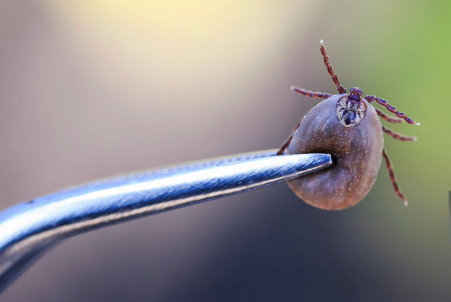
If you live anywhere on the Upper North Shore or near the bush, this is the one to pay attention to. The paralysis tick, Ixodes holocyclus, is one of the most common preventable causes of death in dogs and cats along Australia’s east coast, and our part of Sydney sits right in its heartland.
The tick attaches to your pet, feeds, and releases a toxin that causes progressive paralysis. Early signs are easy to miss: a change in your dog’s bark or your cat’s meow, a wobble in the back legs, or vomiting and retching. As the toxin spreads, breathing becomes laboured and the situation can become life-threatening. Worryingly, a tick can still cause paralysis after it has fallen off, and signs can appear days later.
Tick season in our region generally runs from spring through to autumn, with the heaviest period often falling around October and November on this side of Sydney. That said, cases turn up all year round, especially after warm, humid spells. Because of this, we recommend year-round tick prevention rather than treating it as a seasonal job.
A few simple habits make a real difference:
- Keep your pet on a veterinary-recommended tick preventative all year. Speak to us about the right product for your pet’s species, size and lifestyle, and never use a dog product on a cat, as some are highly toxic to cats.
- Run your hands over your pet’s whole body every single day during the warmer months. Most ticks attach around the head, neck, ears and shoulders, but they can hide anywhere, including between the toes and inside the ears.
- Keep grass short and clear leaf litter from the garden, as ticks love shaded, humid spots.
- Consider a shorter clip for long-coated pets in tick season so daily searches are easier.
No product is one hundred percent effective, which is why daily searching matters just as much as prevention. If you find a tick, or notice any of the warning signs even without finding one, contact us straight away.
Plants around Sydney homes and gardens

Plenty of popular plants in our local gardens and homes are toxic to pets. Here are the ones worth knowing about, starting with those we come across most often on the Upper North Shore.
Cycads and sago palms are everywhere in Northern Sydney gardens, and they are among the most dangerous plants for pets. Every part of the plant is toxic, but the seeds or “nuts” carry the most. Eating just one or two seeds can cause serious illness, with signs including vomiting, diarrhoea, dark or bloody stools and, in worse cases, liver failure. If you think your pet has chewed any part of one, treat it as urgent.
Lilies are extremely dangerous, especially for cats. The entire plant is toxic, and cats are exceptionally sensitive. Even brushing against the pollen or drinking vase water can be enough to cause kidney damage. Signs include vomiting, loss of appetite, lethargy and reduced urination. Keep lily arrangements out of the house entirely if you have a cat.
Oleander, a common hedging and garden plant, contains compounds that affect the heart. Eating any part can cause drooling, vomiting, diarrhoea, an abnormal heart rhythm and, in severe cases, collapse.
Azaleas and rhododendrons are widely planted around Sydney. They can cause vomiting, drooling, diarrhoea, weakness and loss of coordination, and severe cases can affect the heart.
Cyclamen, a popular potted flower, is toxic throughout, with the highest concentration in the roots. It can cause significant stomach upset, and ingestion of the root portion can be serious.
Peace lilies, pothos, philodendron and similar indoor plants contain tiny crystals that irritate the mouth and throat when chewed, leading to drooling, vomiting and difficulty swallowing.
Kalanchoe, a common flowering houseplant, can cause vomiting and diarrhoea and, less commonly, affect the heart rhythm.
It’s also worth being aware of a few seasonal and gift plants that are less common in local gardens but turn up indoors, particularly around the holidays: tulip and daffodil (narcissus) bulbs, amaryllis, chrysanthemums, English ivy, autumn crocus and yew. All can cause illness ranging from stomach upset to more serious effects, so keep cut flowers and bulbs away from curious pets.
Finally, several common groundcovers and indoor trailing plants, including various Tradescantia species (wandering jew, purple heart, Moses-in-a-cradle), can cause skin irritation in pets that brush against or lie on them, leading to itching and redness rather than poisoning.
If your pet eats any part of a plant you’re unsure about, it’s always safer to call us than to wait and see.
Pet and garden products
Products that are safe for one animal may be dangerous to another. The ones we see cause problems most often are:
- Dog flea and tick treatments containing permethrin, which are highly toxic to cats
- Snail and slug bait
- Rat bait
- Insecticides
- Some fertilisers and weed killers
Never apply a dog-only tick and flea treatment to a cat. If you have both in the house, store and apply these products carefully.
Snail and slug bait is one of the more common garden poisonings in Sydney. Many baits contain metaldehyde, which is fast-acting and very dangerous, causing tremors, twitching, seizures and a dangerously high body temperature, often within an hour or two. Pet-safe alternatives exist, but the safest approach is to keep all bait well out of reach.
Rat and mouse bait is the other one to watch, especially heading into the cooler months when rodents move indoors. Most baits interfere with blood clotting, and signs can be delayed by several days, so any suspected exposure needs a call to us straight away rather than waiting to see if your pet seems unwell.
Human medications
One dropped tablet can quickly become an emergency. Medications to keep well out of reach include:
- Paracetamol
- Ibuprofen and other anti-inflammatories
- Antidepressants
- ADHD medication
- Sleeping and anxiety medications
- Vitamins and supplements
Never give your pet human medication unless your veterinarian has specifically instructed you to.
Foods pets should never share

Some everyday foods are surprisingly toxic. Watch out for:
- Xylitol, often found in sugar-free alternatives, which is dangerous for dogs
- Grapes, raisins and sultanas, which are dangerous for dogs
- Chocolate, for cats and dogs
- Onions and garlic, for cats and dogs
- Macadamia nuts, for dogs
- Alcohol, for cats and dogs
- Caffeine, for cats and dogs
These ingredients may also be hiding in baked goods, gum and other treats, so it pays to check labels before sharing.
With chocolate, the danger depends on the type and how much was eaten relative to your dog’s size, and dark or cooking chocolate is far more toxic than milk chocolate. Use our free chocolate toxicity calculator here!
Grapes, raisins and sultanas can cause kidney damage in dogs, and there is no reliably safe amount, with some dogs reacting to very little. For both, it’s best to call us with the details rather than trying to judge at home whether it’s enough to worry about.
Nicotine, vapes and cannabis
These are increasingly common in homes and are easy for pets to get into. Keep securely stored:
- Cigarettes and cigarette butts
- Vape liquid and disposable vapes
- Nicotine gum and patches
- Nicotine pouches
- Cannabis plants, oils and edibles
Cannabis edibles are doubly risky because they may also contain chocolate, xylitol or other dangerous ingredients.
Cleaners, oils and chemicals
Concentrated products can be harmful if swallowed, spilled onto the coat or skin, or inhaled. Keep an eye on:
- Essential oils
- Reed diffuser liquid
- Cleaning products and disinfectants
- Mothballs
- Firelighters
- Automotive fluids
Store them securely and keep pets away from treated areas until they are completely dry.
Foreign bodies and small objects

Dogs and cats love to swallow things they shouldn’t, and some objects cause serious blockages or internal damage. Commonly swallowed items include:
- String, ribbon and dental floss
- Hair ties and rubber bands
- Batteries
- Socks and underwear
- Corn cobs and fruit stones
- Small toys and cooked bones
If you think your pet has been exposed to something
Pet emergencies can happen in any home. If you think your pet has eaten, swallowed or come into contact with something harmful:
- Remove access to the item
- Keep the packaging or take a photo
- Call your veterinarian immediately
- Don’t wait for symptoms to appear
- Don’t make your pet vomit unless you have been instructed to
Acting quickly gives your pet the best possible chance, and it is always better to call and check than to wait and see.
We’re here to help
If you have any concerns about something your pet may have eaten or come into contact with, or you’d like advice on the right tick prevention for your dog or cat, the team at The Village Vet in Pymble and Killara is here to help. For more pet care tips like these, follow us on Instagram and Facebook @thevillagevetnorthshore.