
A common cause of lameness in greyhounds: symptoms, diagnosis, and treatment
Corns in greyhounds are a frequent and often painful cause of paw pad lameness, particularly affecting the weight-bearing toes. They are especially common in ex-racing and highly active greyhounds and often explain a frustrating, “mysterious” limp that is worse on hard surfaces but improves on grass or soft ground.
Because corns can be subtle and intermittent, they are commonly misdiagnosed as arthritis, muscle strain or soft tissue injury. With the correct diagnosis and treatment, however, most greyhounds can return to a comfortable, active life.
What are corns in greyhounds?
A corn is a dense, circular plug of hardened keratin (thickened skin) that forms within the paw pad, usually on one of the central, weight-bearing toes.
Because this area is much harder than the surrounding pad tissue, pressure is concentrated directly through the corn when the dog walks. Similar to stepping on a small stone inside your shoe. This focused pressure is what makes corns so painful.
Why do greyhounds get corns?
Greyhounds are anatomically predisposed to developing paw pad corns due to several unique factors:
- Long, narrow feet with less natural cushioning
- Low body fat, reducing shock absorption
- Repetitive loading of the same toes
- Previous racing or activity on hard surfaces such as concrete, asphalt or tiles
Over time, repeated pressure and friction cause the pad to over-thicken in a focal area, leading to corn formation.
Symptoms of corns in greyhounds
Signs of corns in greyhounds can vary and may come and go. Common symptoms include:
- Intermittent or constant limping
- Lameness that is worse on hard ground and improves on grass
- “Toe-touching” or briefly holding a foot up
- Walking on three legs for a few steps
- Reluctance to go on longer walks
- Licking, chewing or guarding a specific toe
What do corns look and feel like?

On examination, a corn typically appears as:
- A well-defined, round, hard area in the pad
- Slightly raised or discoloured
- Sometimes with a visible central core or ‘seed’
Applying direct pressure over the corn or squeezing across the pad often causes a clear pain response, such as flinching or pulling the foot away.
Diagnosing corns in greyhounds
Corns are usually diagnosed based on:
- History (greyhound breed + surface-related lameness)
- Careful physical examination of the paw pads
- Excluding other causes such as pad injuries, foreign bodies, fractures or arthritis
Important: Corns should never be cut, dug out or trimmed at home. Improper treatment can be extremely painful and significantly worsen lameness or cause infection. Always make an appointment to see us!
Treatment options for greyhound corns
Treatment depends on the number of toes affected, severity of pain and whether the corns recur.
Conservative management
Mild cases may benefit from:
- Keeping nails short to improve weight distribution
- Protective boots on hard or rough surfaces
- Pad moisturisers or keratolytic creams
- Reducing time spent on hard ground
Corn hulling or trimming
Mechanical removal of the corn can provide temporary relief, but recurrence is common. Studies and clinical experience suggest approximately a 50% recurrence rate following hulling alone.
Superficial Digital Flexor (SDF) Tenotomy
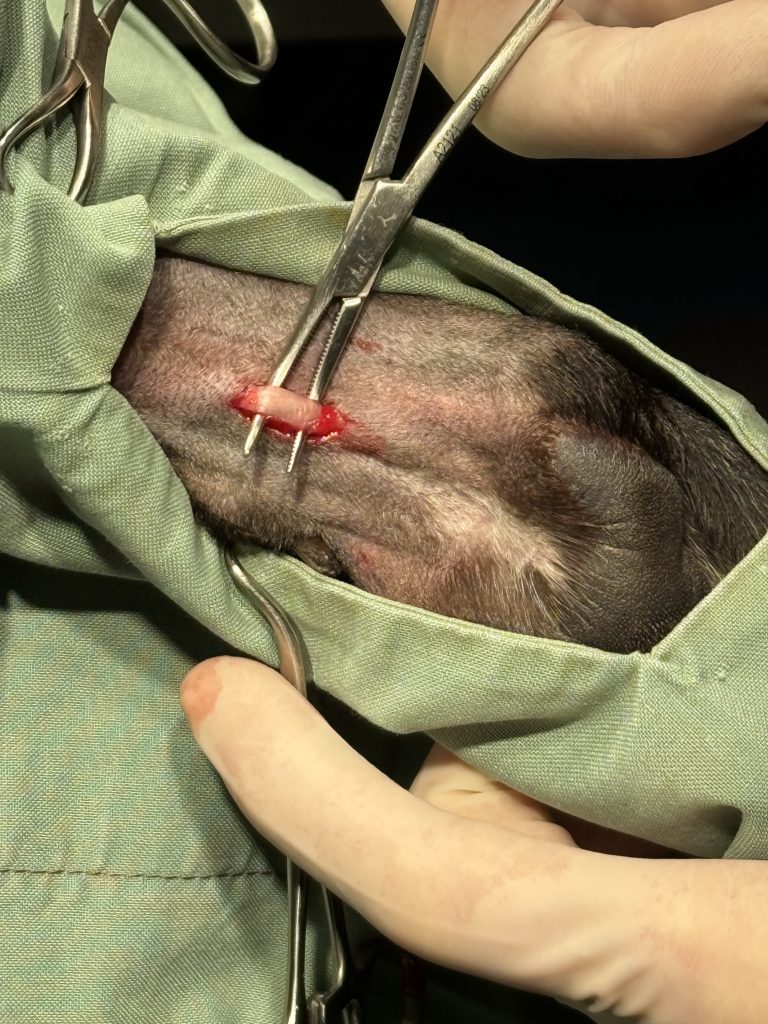
The most effective long-term treatment for corns in greyhounds
For chronic or recurring corns, Superficial Digital Flexor (SDF) tenotomy is currently the most successful permanent treatment available for greyhounds.
This procedure involves isolating and cutting a small portion of the tendon responsible for keeping the affected toe flexed and upright. By releasing this tension, the toe lies flatter, allowing weight to be distributed more evenly across the padrather than concentrated through the corn.
Key benefits:
- The corn does not need to be removed
- The pad heals naturally over approximately 8 weeks
- Many dogs show improvement within days
- Greyhounds can return to normal, active lifestyles
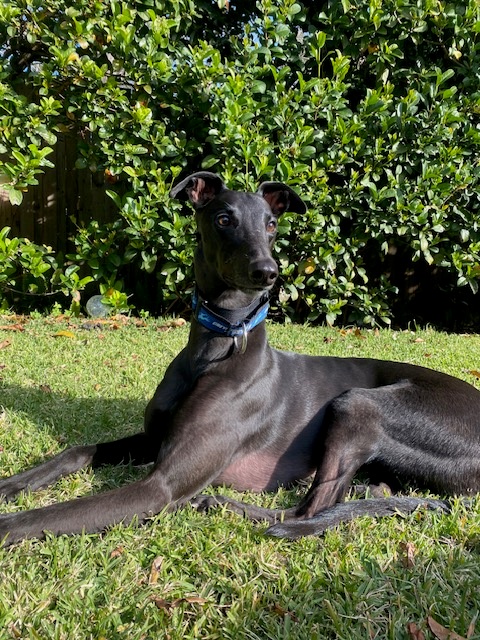
Peewee’s story: a greyhound corn case study

Peewee, a 5-year-old male desexed greyhound, came to The Village Vet after months of ongoing pain from recurrent paw pad corns. He had previously undergone corn removal, but the corns regrew and progressively worsened.
By the time we assessed him:
- Four toes were affected
- He was struggling to exercise comfortably
- His demeanour had noticeably changed
Due to the severity and recurrence, SDF tenotomy was performed on all four affected, weight-bearing toes.
Peewee’s recovery was excellent:
- Support bandages were used for the first few days
- He was noticeably more comfortable within days
- At his two-week recheck and suture removal, he was walking well
- He continues to do well, with soft booties now used on longer walks to protect his remaining toes
Home care and prevention tips
To reduce the risk of corns or recurrence, we recommend:
- Walking on softer surfaces where possible
- Maintaining an ideal body weight
- Checking paw pads weekly
- Keeping nails short
- Using well-fitted boots on hard or abrasive ground
- Seeking early veterinary advice for unexplained lameness
When to see a vet
If your greyhound has a limp that worsens on hard ground or keeps coming back, a paw pad corn may be the cause. Early diagnosis and appropriate treatment can make a significant difference to comfort and quality of life.
If you’re concerned your greyhound may have corns, the team at The Village Vet is experienced in greyhound-specific conditions and is always happy to help.
Written by Dr Anabel Thomas
BSc BVMS
Veterinarian – Senior Vet at The Village Vet
This article was written by Dr Anabel Thomas, a senior veterinarian at The Village Vet with extensive experience in greyhound-specific conditions, including the diagnosis and management of paw pad corns and advanced surgical treatments such as Superficial Digital Flexor (SDF) tenotomy.