
Dogs communicate their emotions through body language, behaviour, and subtle physical cues. Many signs of stress are easy to miss until anxiety becomes more severe.
Learning to recognise the early signs of stress in dogs can help you support your pet before fear impacts their health, behaviour, and quality of life.
What Can Cause Stress in Dogs?
Common triggers for canine anxiety include:
• Vet visits and car travel
• Loud noises such as storms and fireworks
• New environments or routine changes
• Separation from owners
• Pain or illness
• Interactions with unfamiliar animals or people
While some dogs cope well with change, others are far more sensitive to stress.
Common Signs of Stress in Dogs
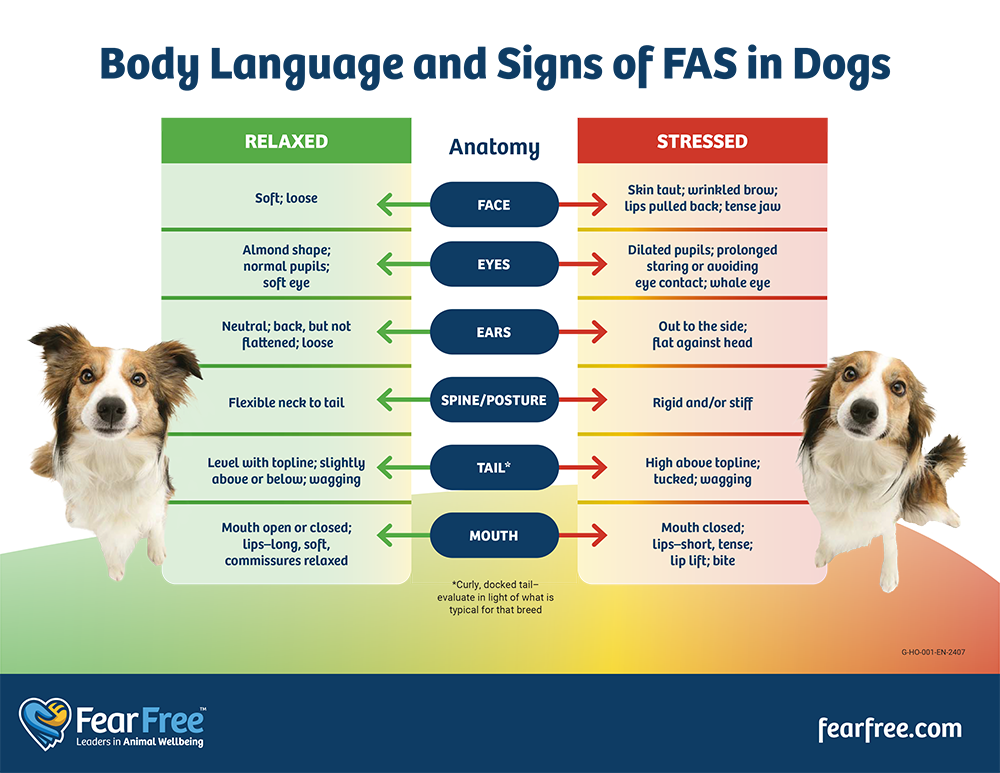
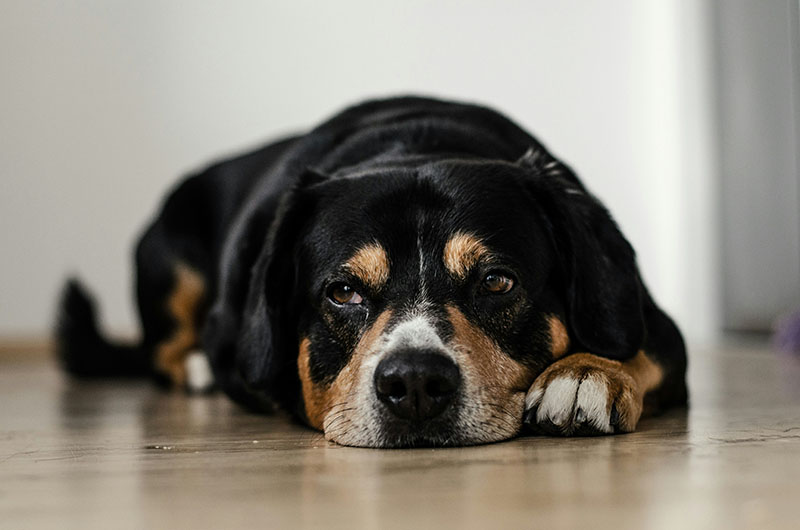
Dogs show anxiety in a wide range of ways, from subtle calming signals to obvious fear responses.
🟢 Mild Signs of Stress
• Lip licking or yawning when not tired
• Avoiding eye contact
• Turning head away
• Slight pacing or restlessness
• Ears slightly back
These early signs are your dog’s way of saying they’re uncomfortable.
🟡 Moderate Signs of Stress
• Dilated pupils or “whale eye” (showing whites of eyes)
• Tail lowered or held tightly
• Tense or rigid body posture
• Increased panting
• Hesitation to interact
At this stage, stress is escalating, and your dog may struggle to settle.
🔴 Severe Signs of Stress
• Growling, barking, snapping, or lunging
• Freezing in place
• Trembling
• Attempting to escape
• Tail tightly tucked
These are fight, flight, or freeze responses and indicate significant fear.
Why Ongoing Stress Can Affect Your Dog’s Health?
Long-term anxiety doesn’t just affect behaviour, it can impact physical wellbeing too.
Chronic stress may contribute to:
• Lowered immune function
• Digestive upset
• Delayed healing
• Behavioural problems
• Reduced quality of life
Supporting emotional wellbeing is an essential part of overall health.
When Should You Seek Help for Your Anxious Dog?
It’s a good idea to book a veterinary check if your dog:
• Appears fearful most of the time
• Shows aggression when stressed
• Stops eating normally
• Becomes withdrawn or overly clingy
• Displays sudden behaviour changes
• Struggles severely with vet visits or travel
Stress can sometimes signal underlying medical conditions — so professional assessment is important.
Vet Visits and Stress in Dogs
Many dogs begin feeling anxious before arriving at the clinic. Often, during car travel or when sensing changes in routine.
If your dog becomes stressed around vet visits, our preparation guide may help:
How to Prepare Your Pet for a Stress-Free Vet Visit
https://thevillagevet.com.au/preparing-your-pet-for-a-stress-free-vet-visit/
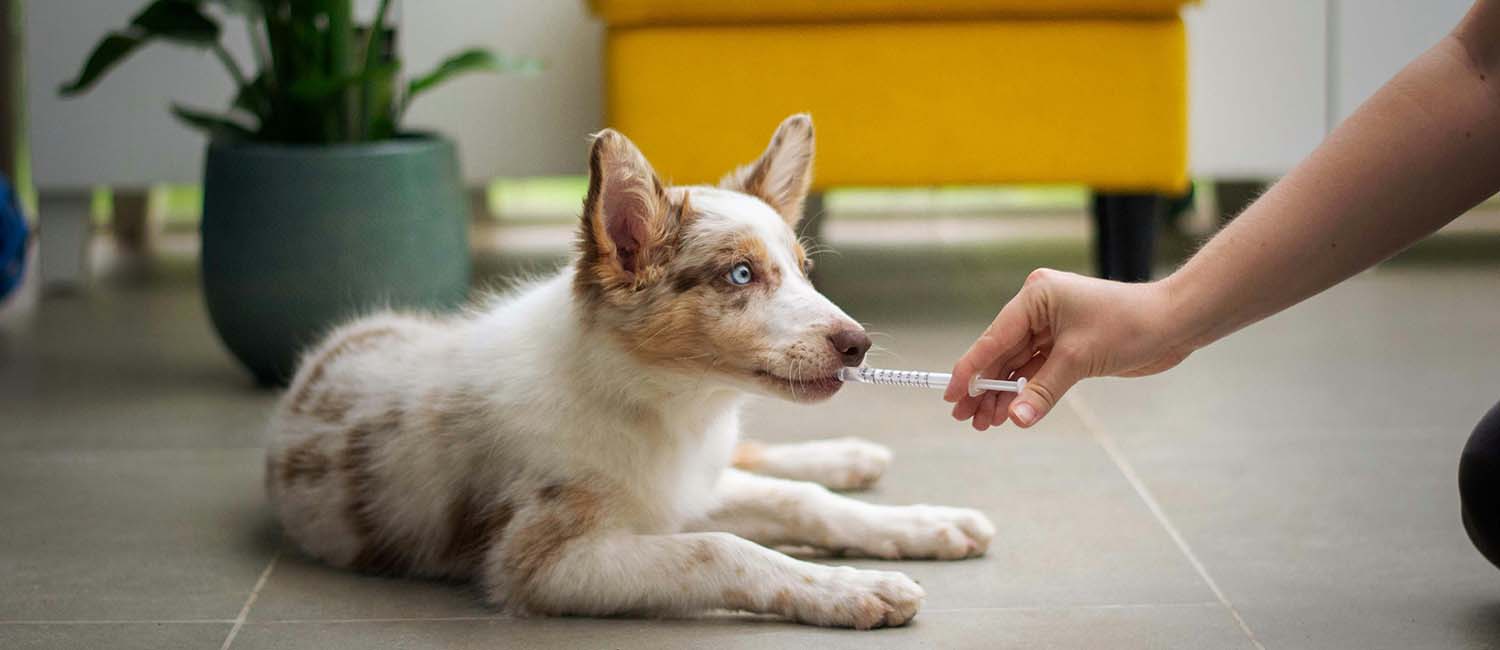
For dogs who experience significant anxiety, extra support may be recommended:
Pre-Visit Medications for Anxious Pets
https://thevillagevet.com.au/pre-visit-medications-for-anxious-pets/
These strategies help prevent stress from escalating and improve long-term comfort with veterinary care.

Written by Dr Belle: Fear Free Accredited Veterinarian
This article was written by Dr Belle Goldsmith, Fear Free Accredited Veterinarian at The Village Vet, with specialised training in recognising and reducing fear, anxiety, and stress in pets using gentle, evidence-based care.
Sources & Further Reading
This article is based on Fear Free education and behavioural guidelines focused on recognising and reducing fear, anxiety, and stress in dogs.
About The Village Vet
The Village Vet is a proudly independent, award-winning veterinary practice serving the North Shore community through our Pymble and Killara clinics.
We focus on gentle, Fear Free care, personalised treatment plans, and building lasting relationships with pets and their families.
Book a Calm, Fear Free Appointment
If you’re concerned about your dog’s anxiety or would like support with stress-friendly veterinary care, we’re here to help.