

Seeing blood in your dog’s diarrhoea can be alarming.
Sometimes it can be caused by something mild, but in other cases, it can be a sign of a serious condition that needs urgent treatment.
One of the most important causes we see is Acute Haemorrhagic Diarrhoea Syndrome (AHDS), a condition that can develop suddenly and become life-threatening if not treated quickly.
What is Acute haemorrhagic diarrhoea syndrome in dogs?
Acute Haemorrhagic Diarrhoea Syndrome (AHDS) is a condition where dogs develop sudden vomiting and bloody diarrhoea, often with little warning.
It can affect otherwise healthy dogs and can progress quickly.
One of the biggest risks is rapid fluid loss, which can lead to dehydration, shock, and serious complications if not treated early.
Common Signs of AHDS: Bloody diarrhoea in dogs
AHDS is typically characterised by the sudden onset of bloody diarrhoea, which is often watery.
What Does Bloody Diarrhoea Look Like?
Many owners describe it as:
- Bright red blood in the stool
- A jelly-like or “raspberry jam” appearance
- Very sudden onset
Even if your dog seems relatively normal at first, this type of diarrhoea should always be taken seriously.
Other signs may include:
• Vomiting (sometimes the first sign your dog is unwell)
• Lethargy or weakness
• Abdominal pain
• Reduced appetite
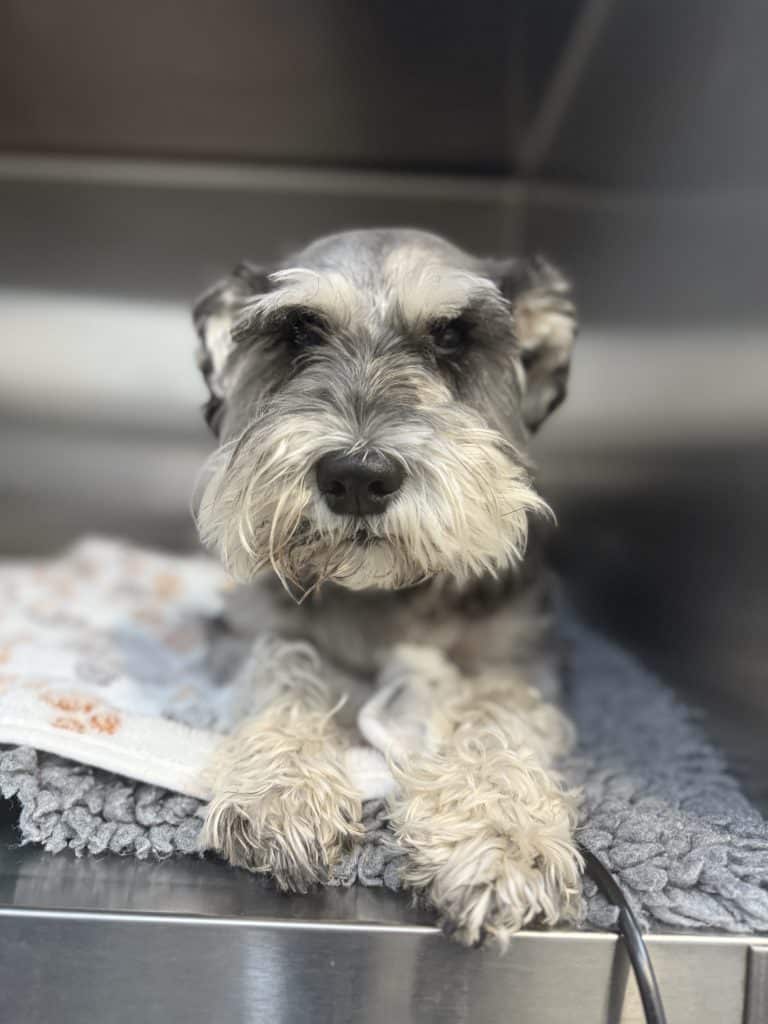
AHDS is seen more commonly in smaller dog breeds, particularly young to middle-aged dogs (around five years old), although it can occur in dogs of any breed or age.
How We Diagnose AHDS
At the Village Vet when dogs present to the clinic with suspected AHDS, we may perform several tests to assess their condition and rule out other possible causes of bloody diarrhoea.
Blood tests may be used to determine the extent of dehydration. This may include measuring markers such as an elevated packed cell volume (PCV).
A faecal PCR test may also be performed to identify whether an infectious cause is involved. Additional diagnostic tests can help rule out other conditions that may cause diarrhoea or blood in your dog’s stool, such as parasites.
In some cases, x-rays may be taken to rule out an intestinal obstruction if there is concern your dog may have eaten something that cannot be digested.
Why AHDS Is So Serious
One of the biggest risks with AHDS is how quickly dogs can deteriorate.
Dogs lose large amounts of fluid through vomiting and diarrhoea, which can lead to:
- Severe dehydration
- Shock
- Circulatory collapse
In some cases, this can become life-threatening within a short period of time if untreated.
What Causes AHDS in Dogs?
The exact cause of AHDS is not completely understood.
Several factors may contribute to the condition, including:
• Bacterial infections
• Viral infections such as parvovirus
• Dietary indiscretion (eating unusual or inappropriate foods)
• Stress
Research suggests that Clostridium perfringens may play a role in many cases. This bacterium normally lives in the gut, but in some situations it can overgrow and produce toxins that damage the intestinal lining.
Dietary indiscretion is another common trigger. Dogs that eat table scraps, spoiled food, or scavenge items during walks may develop severe gastrointestinal upset that leads to bloody diarrhoea.
AHDS may also occur alongside pancreatitis, which is inflammation of the pancreas. Dogs with pancreatitis may also develop a fever. This condition is often associated with consuming very fatty foods.
More rarely, AHDS may occur due to underlying diseases affecting the immune system or endocrine system.
How We Treat AHDS in Dogs?
Treatment for AHDS typically focuses on supportive care while the gastrointestinal tract heals.
This may include:
• Intravenous (IV) fluids
• Small, easily digestible meals
• Anti-nausea medications
• Pain relief when required
• Gut-protective medications
• Probiotics to support the gut microbiome
Fluids are especially important, as vomiting and diarrhoea can rapidly lead to dehydration. In severe cases, fluid loss can lead to systemic shock, so prompt treatment is essential.
In hospital, IV fluids help quickly replace lost fluids and maintain normal circulation.
Dogs are closely monitored by veterinary staff to ensure they are recovering appropriately and not becoming dangerously dehydrated. Small bland meals are introduced to make digestion easier while the gut lining heals.
Most dogs recover well with hospital care, and many begin improving within a few days.
Stools may remain soft for around 7–10 days while the gastrointestinal tract continues to recover, but energy levels and appetite often improve much sooner.
Can AHDS Be Prevented?
While AHDS is not always preventable, there are several steps that can help reduce the risk of gastrointestinal illness in dogs.
Keeping your pet up to date with vaccinations is important to protect against infectious diseases such as parvovirus, which can cause severe haemorrhagic diarrhoea, particularly in puppies.
Feeding a high-quality diet and avoiding sudden changes in food can also help protect your dog’s digestive system. If you need to change diets, this should always be done gradually over several days.
It is also best to avoid feeding fatty human foods or table scraps, as these can trigger gastrointestinal upset or pancreatitis.
Finally, maintaining regular parasite prevention helps reduce the risk of intestinal parasites that may cause vomiting and diarrhoea.

When Should You See a Vet?
Bloody diarrhoea should always be taken seriously.
If your dog develops sudden diarrhoea, vomiting, lethargy, or signs of dehydration, it is important to seek veterinary care as soon as possible.
Early treatment significantly improves outcomes and helps prevent serious complications.
What Should You Do at Home?
If you notice bloody diarrhoea:
- Do not wait to see if it resolves
- Keep your dog calm and comfortable
- Ensure access to fresh water
- Contact your vet as soon as possible
Early advice and assessment can make a significant difference in outcomes.
Contact us today:
Pymble – (02) 9499 4010
Killara – (02) 8350 5678
or
Written by Veterinary Nurse Alex
This article was written by Veterinary Nurse Alexandra from The Village Vet team.
Sources
- Kathrin Busch, Stefan Unterer. Update on Acute Hemorrhagic Diarrhea Syndrome in Dogs. Advances in Small Animal Care, 2022.
- Dupont N et al. Retrospective study of 237 dogs hospitalized with suspected AHDS. Journal of Veterinary Internal Medicine.
- Sindern N et al. Clostridium perfringens toxin genes in dogs with AHDS. Journal of Veterinary Internal Medicine.
- VIN Veterinary Partner – Acute Hemorrhagic Diarrhea Syndrome
- Vet Times – Acute haemorrhagic diarrhoea syndrome in canine patients